
One Appliance, Two Cooking Philosophies: Why This Multi-Cooker Feature Matters More Than You’d Think
One Appliance, Two Cooking Philosophies: Why This Multi-Cooker Feature Matters More Than You’d Think
When people think about multi-cookers, the first thing that usually catches their attention is the number of cooking programs. Some models offer dozens of settings for rice, soup, stew, steaming, or slow cooking. But the real value of these appliances isn’t measured by the number of buttons or programs.
One of the most important features of modern multi-cookers is the combination of two entirely different cooking methods in a single device: pressure cooking and slow cooking.
At first glance, these two capabilities seem like opposites. One is built for speed, the other for patience. But it’s exactly this contrast that makes the multi-cooker such a natural fit for today’s lifestyle.
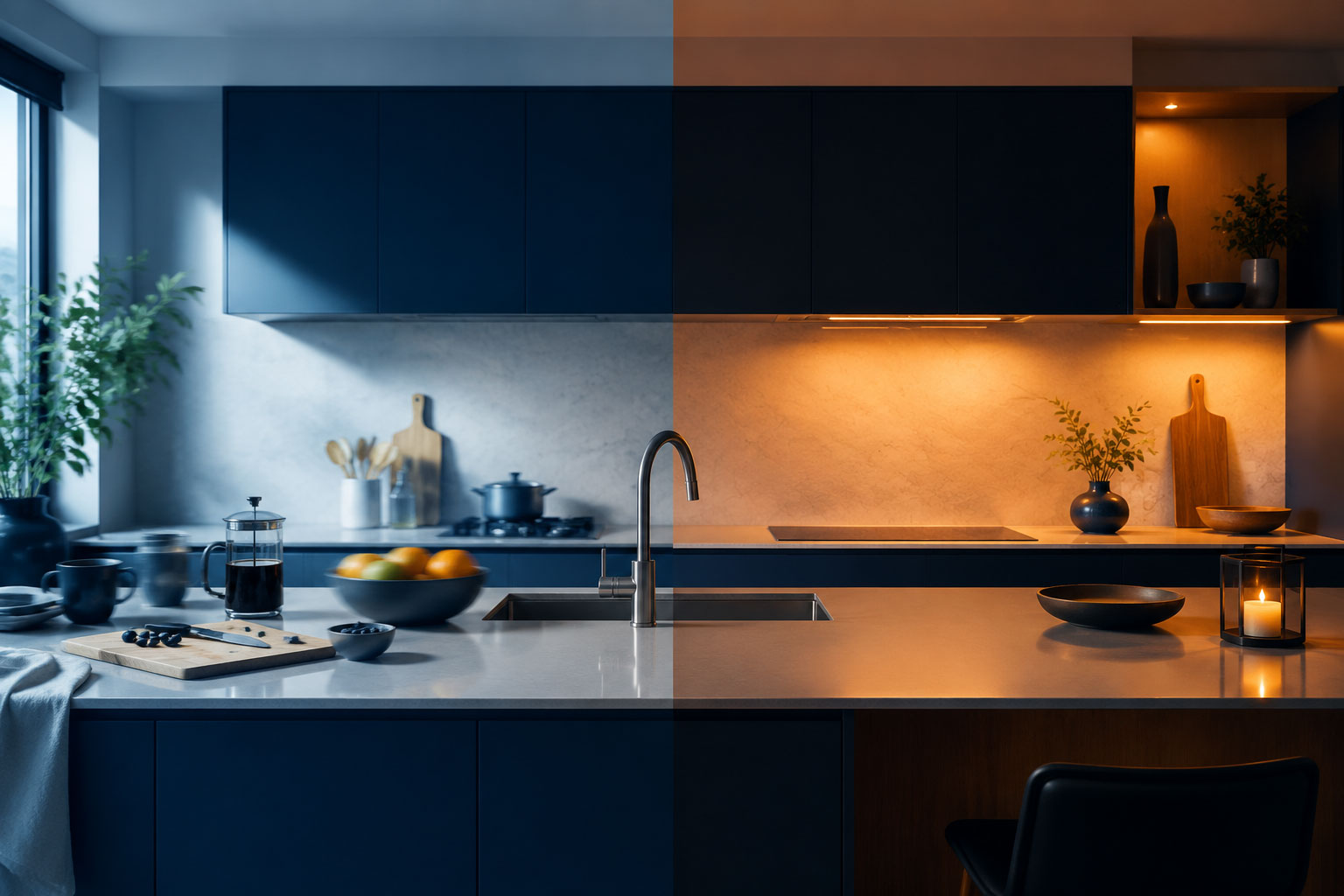
Picture a busy day: back-to-back meetings, a long commute, an unfinished to-do list, and barely enough time to cook a proper meal. Now picture a different kind of day: a quiet day off, time to unwind, soft music in the background, and a meal you actually want to take your time preparing.
The multi-cooker is built for both of these days. Not because of how many programs it has, but because of two seemingly opposite capabilities: pressure cooking and slow cooking.
When Speed Matters
Busy days are part of life for most people. Long work hours, commuting, family responsibilities, and countless daily tasks often leave little time for cooking.
This is where pressure cooking comes in. By raising the pressure inside the cooking chamber, this technology significantly cuts down preparation time for many dishes. Meals that would normally take hours are ready much faster, without requiring constant supervision.
In other words, a multi-cooker doesn’t just cook food, it gives people back some of the time their day would otherwise take from them.
When Quality and Flavor Come First
Slow cooking, on the other hand, follows a different philosophy. With this method, ingredients cook over several hours at a gentle heat. The result is a softer texture, deeper flavor, and a dish that’s had enough time for its aromas and ingredients to fully come together.
This feature is especially valuable for stews, meats, soups, and traditional recipes that need time to develop their flavor.
Slow cooking is a reminder that faster isn’t always better.
One Appliance for Different Lifestyles
The main advantage of a multi-cooker isn’t that it replaces a pot or a pressure cooker. Its real strength lies in adapting to different circumstances in life.
Some days, time is the most valuable thing you have, and speed becomes the priority. Other days, quality, flavor, and the cooking experience itself take center stage. A multi-cooker makes it possible to be ready for both, without needing several different appliances.
This is the essence of what’s known today as “smart living”: using technology to simplify everyday tasks, reduce stress, and free up time for the things that matter most.
More Than Just a Kitchen Appliance
A multi-cooker is more than a cooking tool. It’s a response to one of the defining needs of modern life: flexibility.
Sometimes you need speed, sometimes you need patience. Sometimes it’s about saving time, sometimes it’s about enjoying the process of cooking. That’s exactly why the multi-cooker has become one of the most practical pieces of equipment in today’s kitchens — because it adapts to the rhythm of people’s lives, not the other way around.
Traumhaus — Make Your Life Greener.

